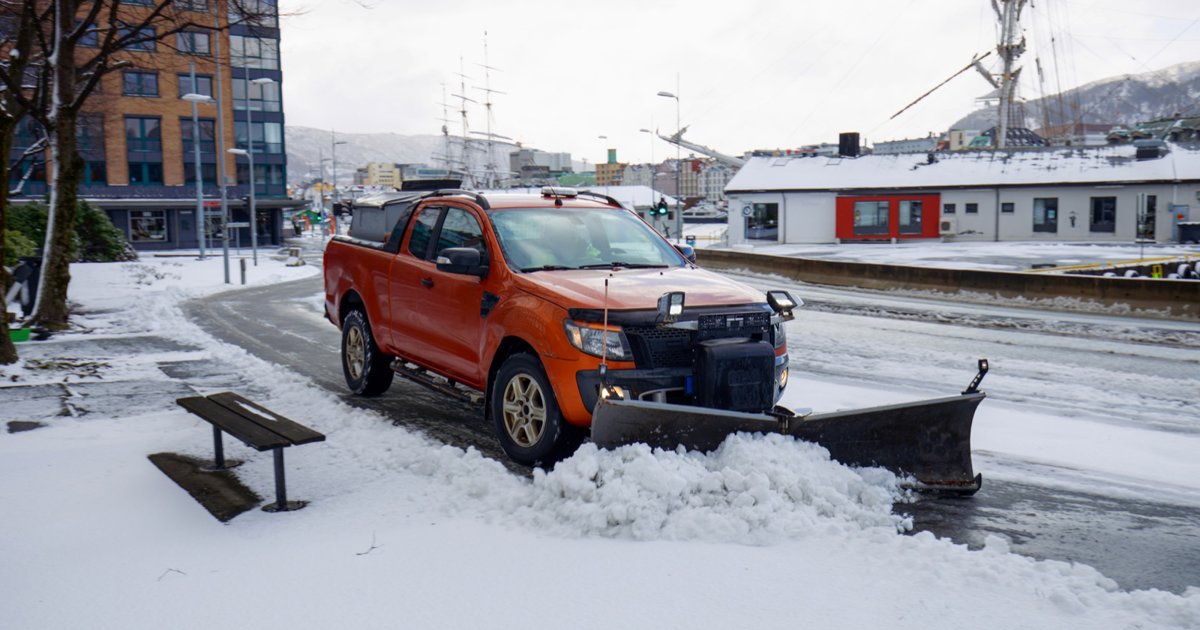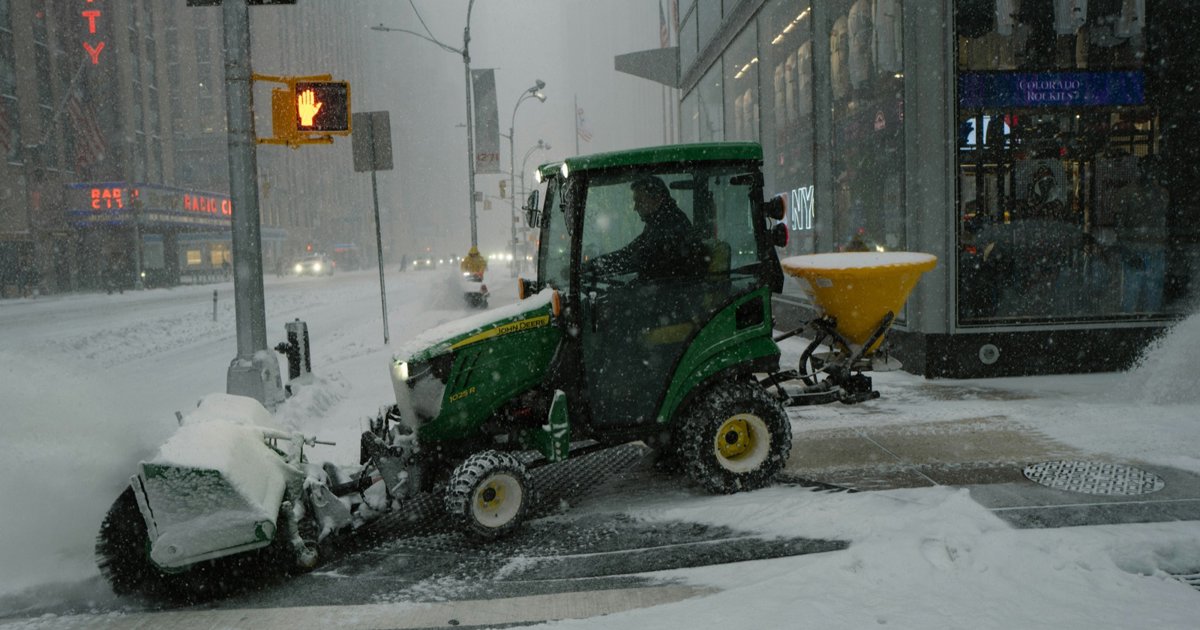
A letter arrives in March. Someone slipped in a parking lot you service, on a night in January. They are claiming the lot was not salted.
Was it? You think so. It was a busy week. Your operator remembers doing the lot, roughly. The salt receipts are in a box somewhere.
That is not a defence. A record is.
The short version
- Slip-and-fall claims are a major reason snow contractors' insurance has climbed, by 25% to 300% for some Landscape Ontario members around 2019 and 2020.
- In Ontario, someone injured by snow or ice on private property must give written notice within 60 days. That is your window to pull the records.
- A good service log records when you arrived and left, the conditions, what you did, and photos, for every visit.
- Paper logs get lost. Logs on the phone are timestamped, attached to the visit and backed up.
This post is general information, not legal advice. Talk to your lawyer and your insurer about your own contracts and coverage.
Why it matters: liability and insurance
When you contract to clear a property, you usually take on responsibility for it during the contract. If someone slips, the claim can name you as well as the property owner.
That has hit the industry hard. Around 2019 and 2020, Landscape Ontario members reported insurance premium increases of 25% to 300%, and some contractors could not get coverage at any price. The association's 2024 policy report says premiums and deductibles are still at "unsustainable levels" for many members, and the industry's own advice keeps coming back to the same thing: better contracts, and better records.
Ontario's 60-day notice rule
Since 2021, Ontario's Occupiers' Liability Act (section 6.1, added by Bill 118) says a person injured by snow or ice on private property generally cannot sue unless they give written notice within 60 days of the injury. The notice must give the date, time and location, and be served personally or by registered mail to the occupier or the snow contractor. A contractor who receives one must pass it on to the occupier that hired them, and the occupier must pass it to the contractor.
There are exceptions: notice is not needed if the injury caused death, and a judge can let a late claim go ahead if there was a reasonable excuse and the defence was not harmed.
For contractors, this changes the game. Before, a claim could surface close to two years later. Now, in most cases, you will know within 60 days, while the records are still fresh, if you kept them.
Rules differ in other provinces, so check where you work.
What a good service log records
For every visit, on every property:
- Arrival and departure times, not "morning"
- Weather and conditions: snowfall, freezing rain, temperature, ice
- What was done: plowed, shovelled, salted, sanded, which areas
- How much material: bags or tonnes of salt, and where it went
- Photos: before and after, with the time on them, especially entrances, walkways and ramps
- Problems: a blocked area, a car in the way, a drain backing up, damage
- Who did it: the operator's name
And once a season, before the first snow:
- A site map and hazard walk: curbs, drains, steps, slopes, where meltwater refreezes, where the stakes are, where snow piles go
Paper vs phone
A clipboard in the truck works until it does not. It gets wet. Handwriting at 4 a.m. is hard to read. The sheet for the night that matters is the one that went missing. And none of it has a timestamp anybody can trust.
A log on the phone fixes most of that:
- Times are recorded automatically when the operator checks in and out
- Photos are attached to the visit, not lost in a camera roll
- It is the same form every time, so nothing gets skipped
- The office sees it the same night, not when the truck comes back
- It is all searchable when a notice arrives in March
How crewduo handles it
- Snow and ice service log. A ready-made form on the phone with time, photos and notes, saved to the visit.
- Site inspection and hazard map. Record the pre-season walk with photos of curbs, drains and stake positions on the property record.
- Check in and out. Arrival and departure times with location, for the office and the client.
- Works without signal. The app keeps working in a storm and syncs when it reconnects.
- Find it fast. Every visit, form and photo sits on the property's record, so pulling up the night in question takes a minute.
See crewduo for snow removal contractors, and how the mobile app works in the field.
A pre-season checklist
- Walk every commercial site and record the hazards with photos
- Make sure your contracts say what you are responsible for, and when
- Check your insurance covers the work you are doing this year
- Set up your service log form and show every operator how to fill it in
- Agree who in the office checks the logs, and how quickly, after each storm
- Decide how long you keep records, and make sure that covers any claim period
Quick answers
Do I need photos of every visit? For commercial sites and anywhere people walk, they are your best evidence. Entrances, walkways and ramps matter most.
Do residential driveways need a log too? They carry less risk than a busy lot, but a simple check-in and a photo cost seconds and settle arguments about whether you came.
What should I do if I receive a notice? Pass it to the property owner who hired you, as the Ontario rule requires, tell your insurer, and pull every record for that date. Then talk to your lawyer.
Sources
- Ontario, Occupiers' Liability Amendment Act, 2020 (Bill 118): the 60-day notice rule.
- Legislative Assembly of Ontario, Bill 118: text and exceptions.
- Landscape Ontario, Rising insurance rates rack snow and ice industry.
- Landscape Ontario, Snow and Ice Management Group policy report (2024).